Search
Find entries by free text, category, or tags.

Day 21
DDIA chapter 7/8 study, concurrency testing practice, AWS architecture notes, and AI adoption mindset for developers.
 Tony Duong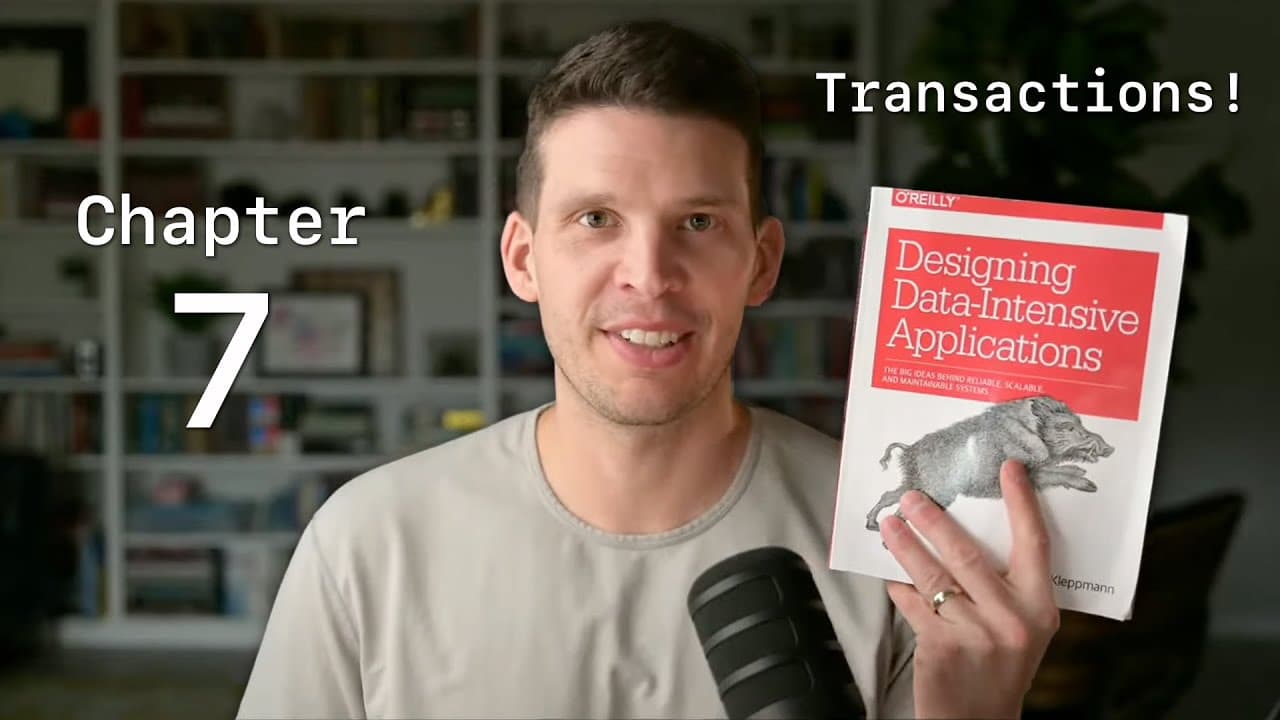
Transactions, ACID, and Isolation Levels — DDIA Chapter 7 (Video)
Live stream walkthrough of DDIA Chapter 7: why transactions matter, ACID, isolation levels and naming pitfalls, Postgres MVCC and vacuum, and MySQL/InnoDB undo logs.
Tony Duong
DDIA Chapter 7: Transactions
Summary of Kleppmann's chapter on transactions: ACID, isolation anomalies, snapshot isolation, two-phase locking, and serializable snapshot isolation.
Tony Duong
DDIA Chapter 8: The Trouble with Distributed Systems
In-progress notes on DDIA Chapter 8: partial failures, unreliable networks, time assumptions, and defensive patterns for distributed systems.
Tony DuongDay 20
Glacier, Vertex TTS, Pokemon Go, and more DDIA ch.7 (transactions) — dense read, finishing tomorrow.
Tony Duong
Day 19
I passed the AWS Certified CloudOps Engineer - Associate and read how Vercel reduces code review time with AI in their monorepo.
Tony Duong
Day 18
I learned about the TestProf gem for profiling Ruby tests; a colleague used it to analyze factory usage and cut suite time about 20% (14 minutes to 11 minutes).
Tony DuongAWS DataSync and AWS Backup: Disaster Recovery Notes
CloudOps exam notes on AWS DataSync (agents, NFS/SMB/HDFS, S3/EFS/FSx targets, schedules, metadata, Snowcone) and AWS Backup (backup plans, cross-region/account, vault lock WORM, console workflow).
Tony DuongAWS IAM Identity: Permission Boundaries, Federation, STS, and Access Tools
CloudOps exam notes on IAM permission boundaries vs identity policies and SCPs, Credentials Report and Access Advisor, IAM Access Analyzer, STS (AssumeRole, SAML, web identity, MFA), enterprise vs app federation (SAML, custom broker, Cognito), and the IAM policy simulator.
Tony DuongAmazon Route 53: Registrar Delegation, Resolver, Logging, and Governance
CloudOps exam notes on separating registrar from DNS, delegating NS to Route 53, S3 static website aliases, hybrid DNS with Resolver endpoints, cross-account private hosted zones, query logging, Resolver DNS Firewall, ARC, Route 53 Profiles, and cost cleanup.
Tony DuongAmazon Route 53: DNS Fundamentals, Records, TTL, and Alias vs CNAME
CloudOps exam notes on DNS resolution and terminology, Route 53 as authoritative DNS and registrar, A/AAAA/CNAME/NS, email records (MX, TXT/SPF/DKIM/DMARC), TTL tradeoffs, and Route 53 alias records for ALB and zone apex.
Tony Duong
Amazon Route 53: Routing Policies, Health Checks, and Traffic Flow
CloudOps exam notes on Route 53 routing policies (simple, weighted, latency, failover, geolocation, geoproximity, multi-value, IP-based), health checks and calculated checks, CloudWatch for private targets, and Traffic Flow policies.
Tony DuongAWS Security, Compliance, Encryption, and Secrets for CloudOps
CloudOps exam notes on WAF, Shield, Firewall Manager, Inspector, logging with Athena, GuardDuty, Macie, Trusted Advisor, Security Hub, Audit Manager, KMS (rotation, MRK, deletion), ACM, and Secrets Manager vs Parameter Store.
Tony Duong
Day 17
I studied CloudOps DR, security/compliance, IAM identity, and Route 53 in three parts (fundamentals, routing policies and health checks, then delegation resolver logging firewall arc profiles) and wrote six collection notes.
Tony Duong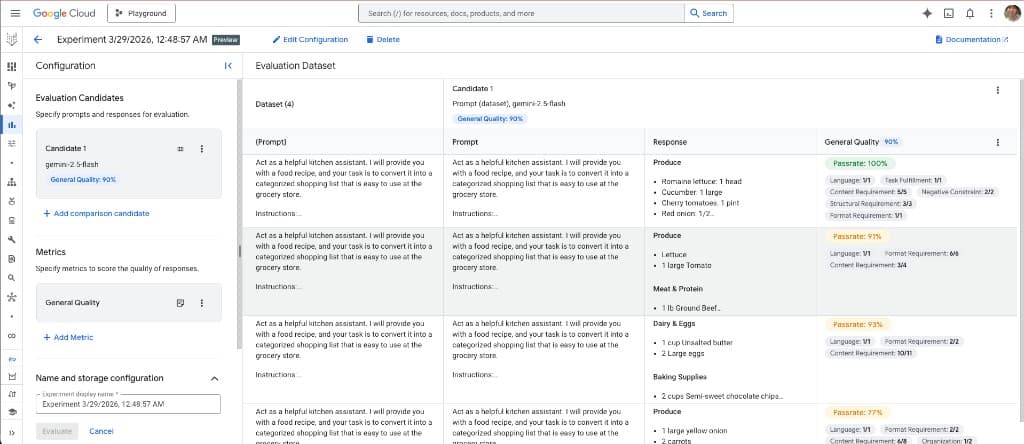
Vertex AI Gen AI evaluation in the Google Cloud console
Screenshots of the Vertex AI Gen AI evaluation UI: dataset view with General Quality pass rates, plus a per-criterion drill-down with pass/fail reasons on a recipe-to-shopping-list task.
Tony DuongAmazon S3 Introduction: Buckets, Objects, Security, and Versioning
Section 10 S3 notes through advanced topics: MFA delete, access logs, Object Lock and Glacier Vault Lock, VPC endpoints, Access Analyzer, plus replication, lifecycle, events, performance, batch, inventory, and Athena.
Tony DuongAWS CloudFront and Global Accelerator: CDN, Caching, Origins, and Edge Networking
Exam-oriented notes on CloudFront as a CDN, origins (S3 OAC, VPC, custom HTTP), caching and invalidation, Origin Shield, geo restrictions, logging and reports, ALB sticky sessions, and Global Accelerator vs CloudFront.
Tony DuongAWS Observability and Governance: CloudWatch, EventBridge, CloudTrail, and Config
CloudOps notes on CloudWatch, EventBridge (CloudTrail API patterns, Pipes, DLQ), Service Quotas, CloudTrail (digest integrity, org trails, EventBridge latency), and AWS Config (rules, aggregators, SSM remediation, vs CloudWatch and CloudTrail).
Tony DuongAWS Account Management: Health Dashboard, Organizations, SCPs, and Control Tower
CloudOps notes on AWS Health (service vs account vs org views, EventBridge automation), AWS Organizations (OUs, consolidated billing, SCPs, RI sharing, PrincipalOrgID), and Control Tower landing zones and guardrails.
Tony DuongAWS RDS, Aurora, RDS Proxy, and ElastiCache
Managed SQL and caching for CloudOps: RDS/Aurora (including Serverless and Global Database), RDS Proxy, and ElastiCache Redis/Memcached scaling, patterns, and metrics.
Tony Duong
AWS Service Catalog, Billing Alarms, Cost Explorer, Budgets, and Cost Tools
CloudOps notes on AWS Service Catalog (products, portfolios, sharing, TagOptions), CloudWatch billing metrics in us-east-1, Cost Explorer, Budgets with actions, cost allocation tags, CUR, Compute Optimizer, and Billing Conductor.
Tony DuongDay 16
I mixed AWS CloudOps notes, a Vertex AI eval side project, and French localization work on Shirimono
Tony DuongAWS Lambda Fundamentals, Integrations, and Pricing
A practical summary of AWS Lambda core concepts, pricing model, and common integrations like EventBridge and S3.
Tony DuongDay 15
I continued preparing for next Saturday's AWS certification exam by reviewing Lambda, EBS, and EFS with practical notes and comparisons.
Tony Duong
EBS and EFS Core Concepts and Exam Notes
A practical exam-focused summary of EBS volumes, snapshots, EFS file systems, and when to choose each for AWS workloads.
Tony Duong
Day 14
Shirimono shipped on the App Store, fixed unstubbed `sleep` in tests, and finished the EC2 High Availability and Scalability section for AWS CloudOps Developer.
Tony DuongDay 13
Git fundamentals video; continued AWS CloudOps Engineer Associate prep — practiced ALB hands-on demo.
Tony Duong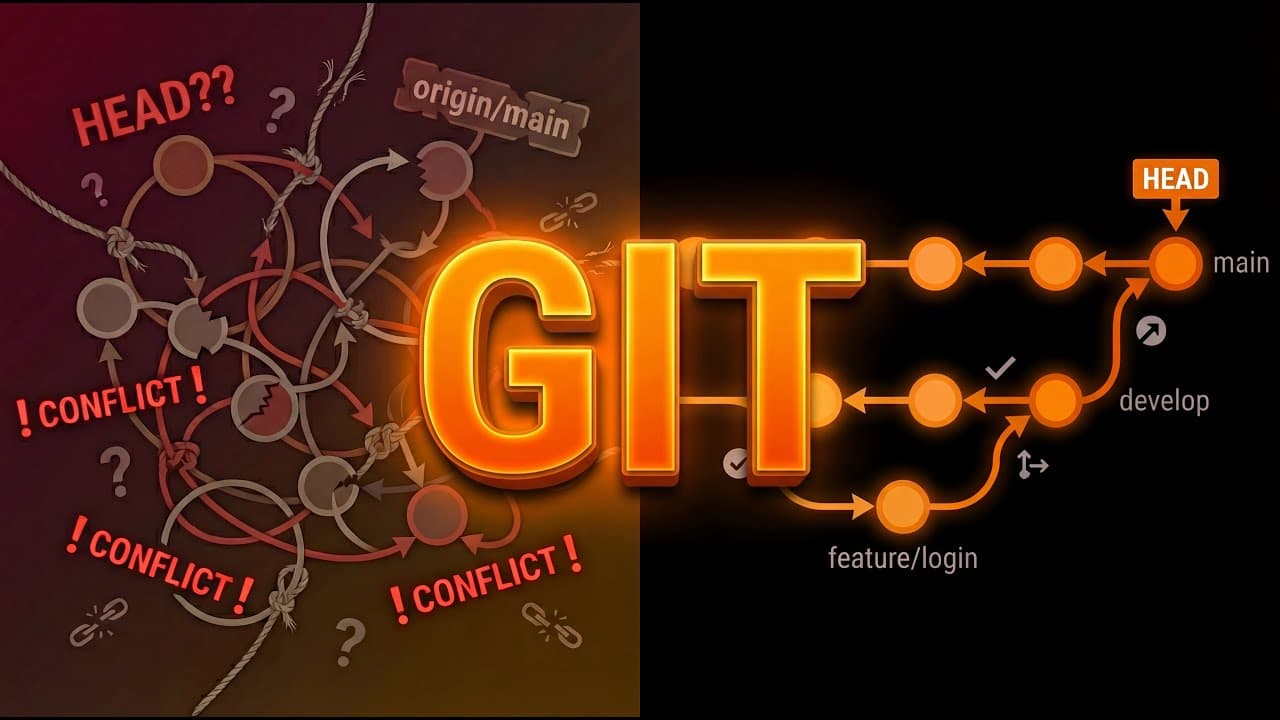
Git Will Finally Make Sense After This
Video explaining Git fundamentals from first principles: commits as snapshots, DAG structure, branches as pointers, HEAD, detached HEAD, three areas (working/staging/repo), and undo commands.
Tony DuongDay 12
Finishing touches for Shirimono app store submission — refactoring and UI improvements.
Tony DuongDay 11
Continued AWS Certified ZCloudOps prep: consolidated notes on EC2 scalability, high availability, ELB/ALB architecture, and ALB hands-on practice.
Tony DuongEC2 High Availability and Scalability
Consolidated AWS notes on EC2 scalability, high availability, ELB/ALB/NLB/GWLB, TLS, health/metrics, target-group tuning, ASG scaling, warm pools, lifecycle hooks, and scaling plans.
Tony DuongDay 10
Tony Duong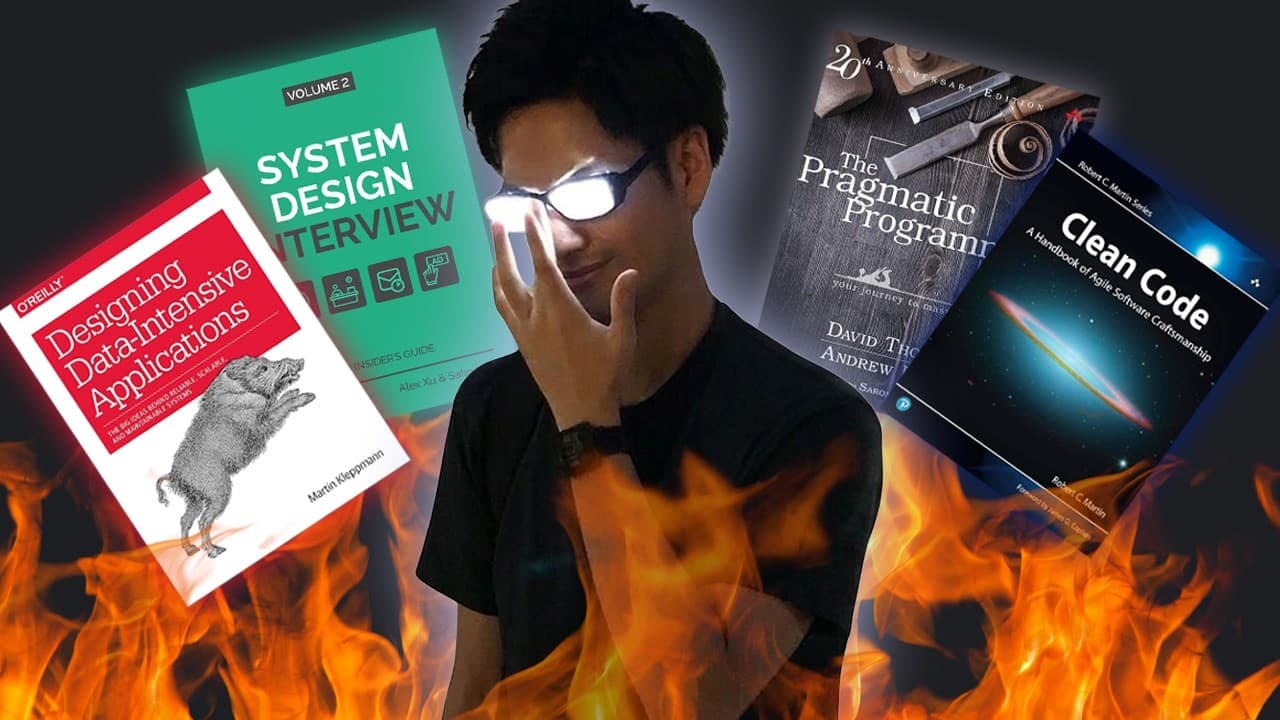
Books That Made Me A CRACKED Backend Dev
Video listing seven books that helped level up backend skills: Clean Code, The Pragmatic Programmer, DDIA, System Design Interview, Database Internals, Release It, and Fundamentals of Software Architecture.
Tony DuongDay 9
Watched DDIA Ch.6 sharding; interview prep; seven backend books; SSH in 2 min; why devs need git worktree (especially with AI agents).
Tony Duong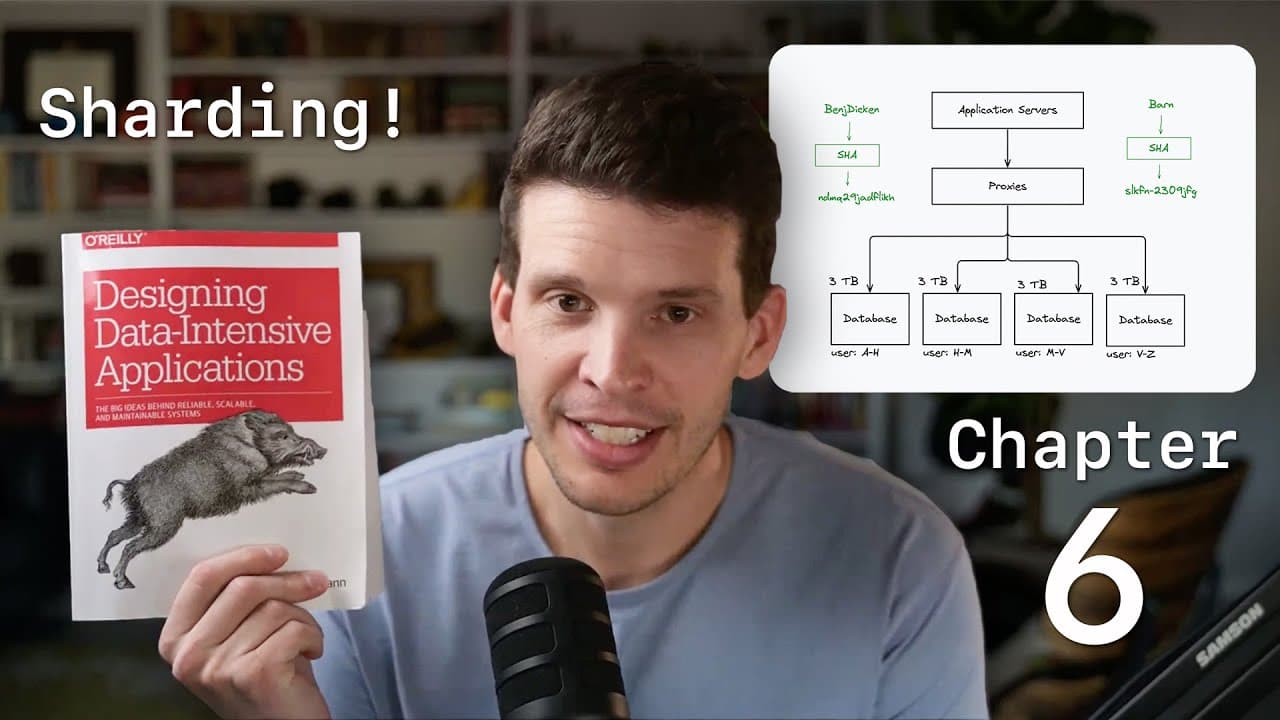
Database Sharding! Designing Data-Intensive Applications Chapter 6
Video walkthrough of DDIA Chapter 6 on partitioning (sharding): diagrams and explanations of key-range vs hash partitioning, secondary indexes, rebalancing, and request routing.
Tony Duong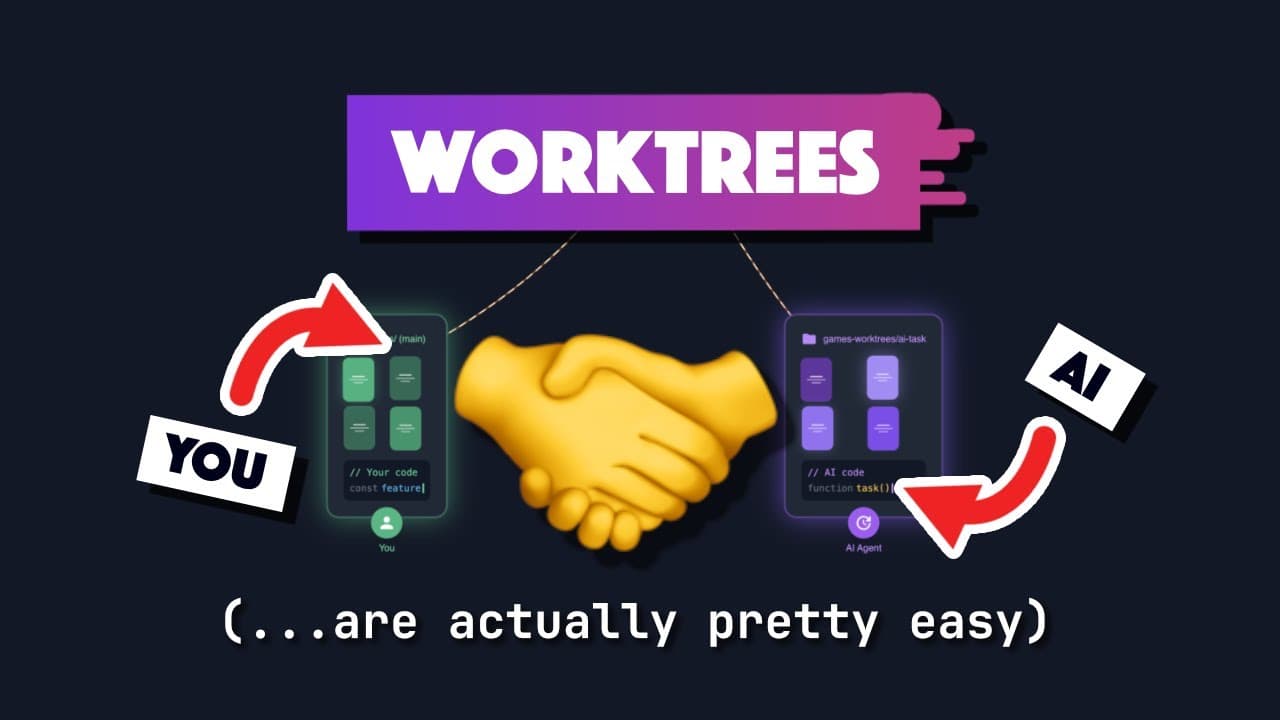
Devs Can No Longer Avoid Learning Git Worktree
Video on why git worktree matters: multiple working directories from one repo for context switching, hotfixes, PR review, and especially running agentic AI in a separate worktree so you can keep working.
Tony Duong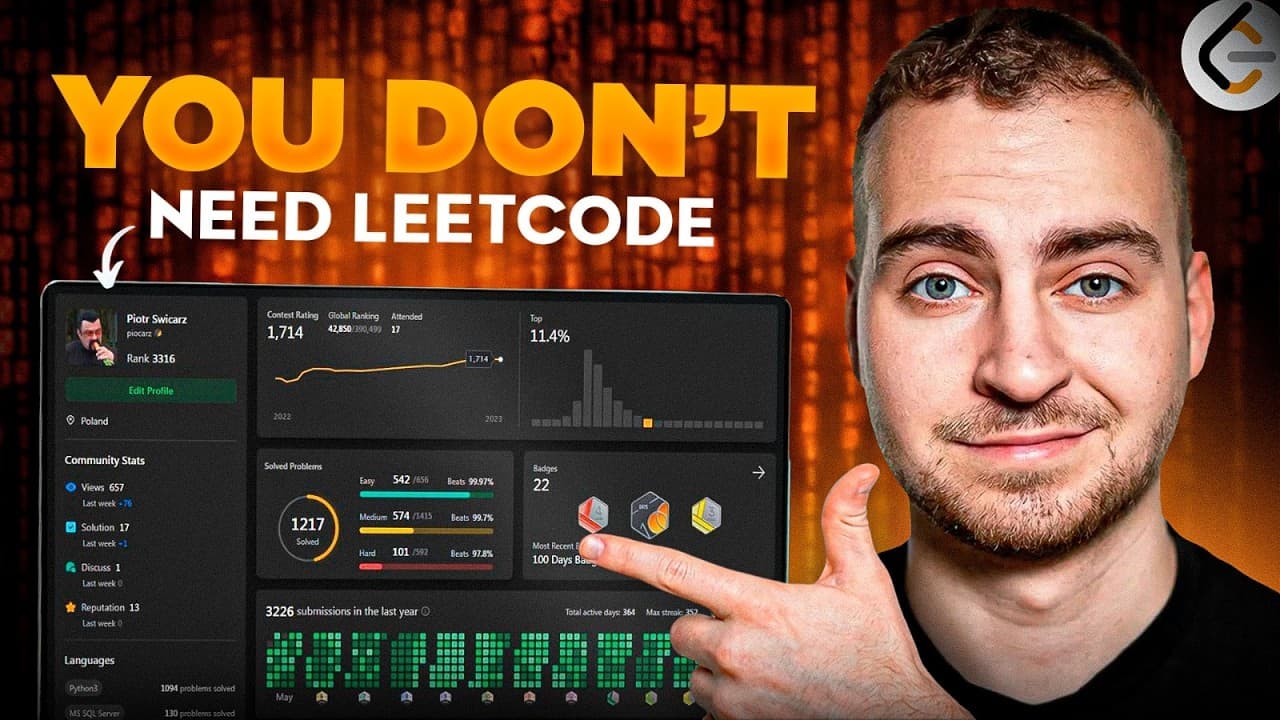
How to Pass Technical Interviews Without Grinding LeetCode
Video on a smarter approach to technical interview prep: focus on 15–20 core patterns instead of hundreds of random LeetCode problems; the speaker got hired at Microsoft with this method.
Tony Duong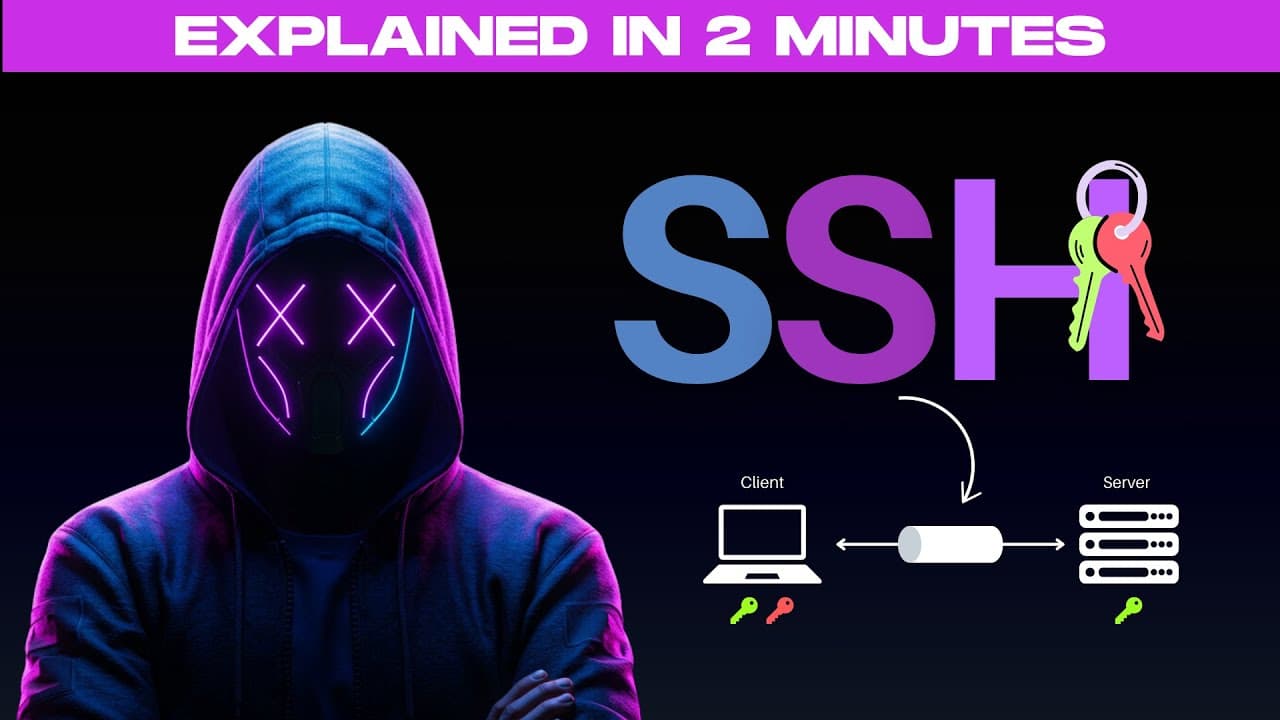
SSH Explained in 2 Minutes!
Short video on SSH (Secure Shell): protocol for secure remote access, encrypted channel, client/server model, and password vs key-based authentication.
Tony DuongDay 8
Watched MIT/Anthropic on AI coding limits; read DDIA chapter 6 on partitioning; added collections to the site to better organize content.
Tony DuongDDIA Chapter 6: Partitioning
Summary of Kleppmann's chapter on partitioning (sharding): splitting data across nodes, partition strategies, secondary indexes, rebalancing, and request routing.
Tony DuongAWS Systems Manager notes (overview, Fleet Manager, DHMC, documents, Run Command, Session Manager, Automation, Parameter Store, Inventory, State Manager, Distributor, Patch Manager, Maintenance Windows, OpsCenter)
Condensed notes on AWS Systems Manager: agent, Fleet Manager, DHMC, documents, Run Command, Session Manager, Automation, Parameter Store, Inventory, State Manager, Distributor, Patch Manager, Maintenance Windows, OpsCenter (OpsItems, runbooks).
Tony DuongDay 7
Continued AWS CloudOps study with AWS Systems Manager (overview, Fleet Manager, resource groups).
Tony DuongAWS EC2 notes (launch, resize, placement, SSH, CloudWatch Agent, status checks, hibernate, Instance Scheduler, AMI, Image Builder)
Condensed notes on EC2: launch, resize, placement, SSH/Instance Connect, CloudWatch and agent, status checks, Hibernate, Instance Scheduler, AMI (create, No-Reboot, cross-account), EC2 Image Builder, AMI in production.
Tony DuongDay 6
Watched DDIA Ch5 stream, continued AWS CloudOps (EC2 + AMI), wrote EC2 notes, used ilus.ai for Shirimono, found Claude March 2026 usage promo.
Tony Duong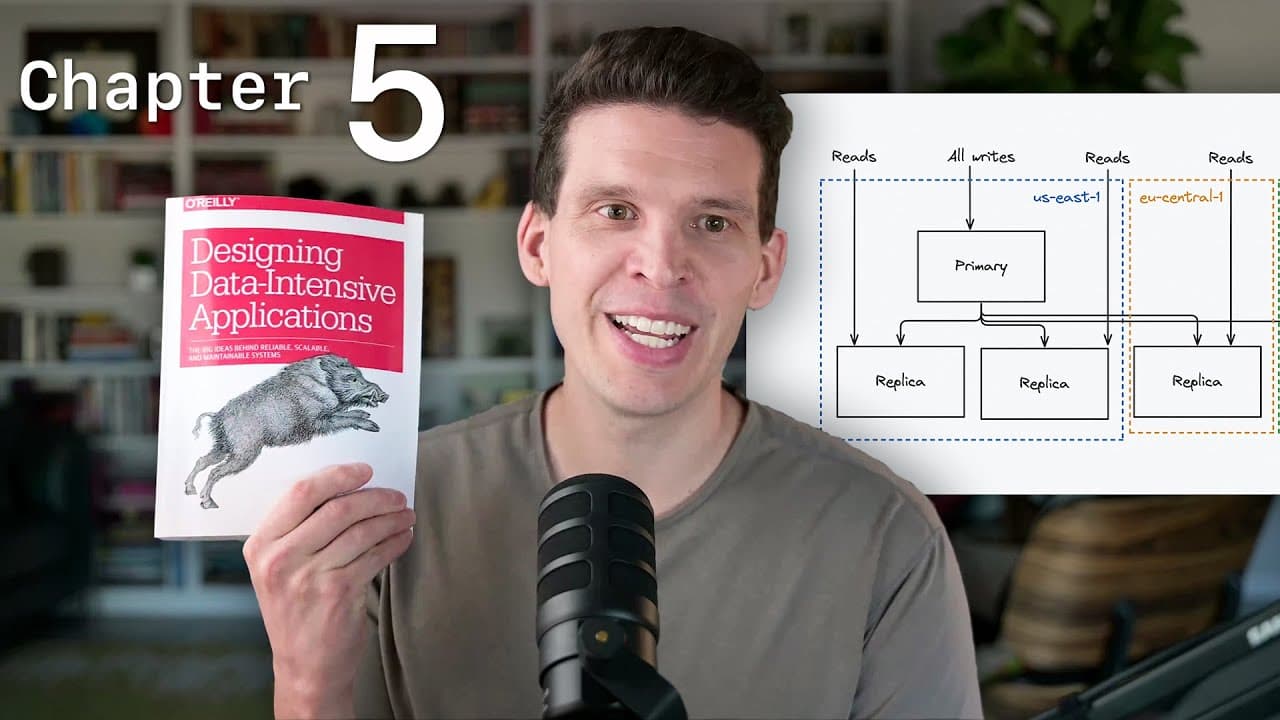
Designing Data-Intensive Applications: Chapter 5
Notes from a live stream walking through DDIA Chapter 5 (Replication): single-leader setup, primary and read replicas, scaling reads, and high availability across availability zones.
Tony DuongDay 5
Watched Claude 24/7 loops and scheduled tasks, read DDIA ch5, started Spacely blog migration (blocked by stale repo).
Tony DuongDDIA Chapter 5: Replication
Summary of Kleppmann's chapter on replication in data systems: why replicate, single-leader, multi-leader, and leaderless replication, plus consistency trade-offs.
Tony Duong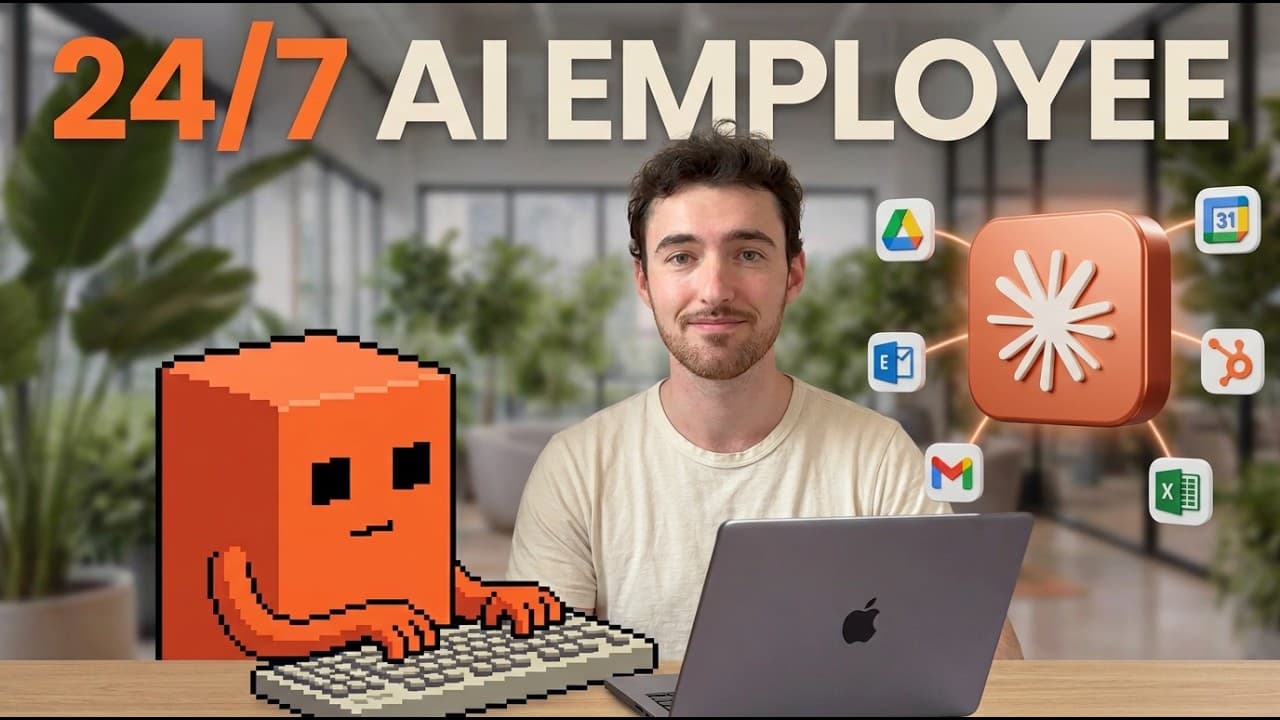
How I Made a 24/7 AI Employee with Claude (Scheduled Tasks and Loops)
Notes on running Claude 24/7 via two methods: /loop in Claude Code (interval-based, technical) and Scheduled Tasks in the cloud desktop (set-and-forget, no-code).
Tony DuongDay 4
Read DDIA ch4, built Claude SKILLS for Shirimono, and a CLI for Slack-based brag summaries (brag-slack-cli)
Tony DuongDDIA Chapter 4: Encoding and Evolution
Summary of Kleppmann's chapter on data encoding formats, schema evolution, and compatibility in data-intensive systems.
Tony DuongDay 3
Reviewed a PR with new tech, watched talks on spec-driven development and agent skills, read and watched DDIA chapter 3 content
Tony DuongDDIA Chapter 3: Storage and Retrieval
How databases store and retrieve data — from log-structured engines (LSM-trees) to page-oriented engines (B-trees), plus indexing strategies, OLTP vs OLAP, and column-oriented storage.
Tony Duong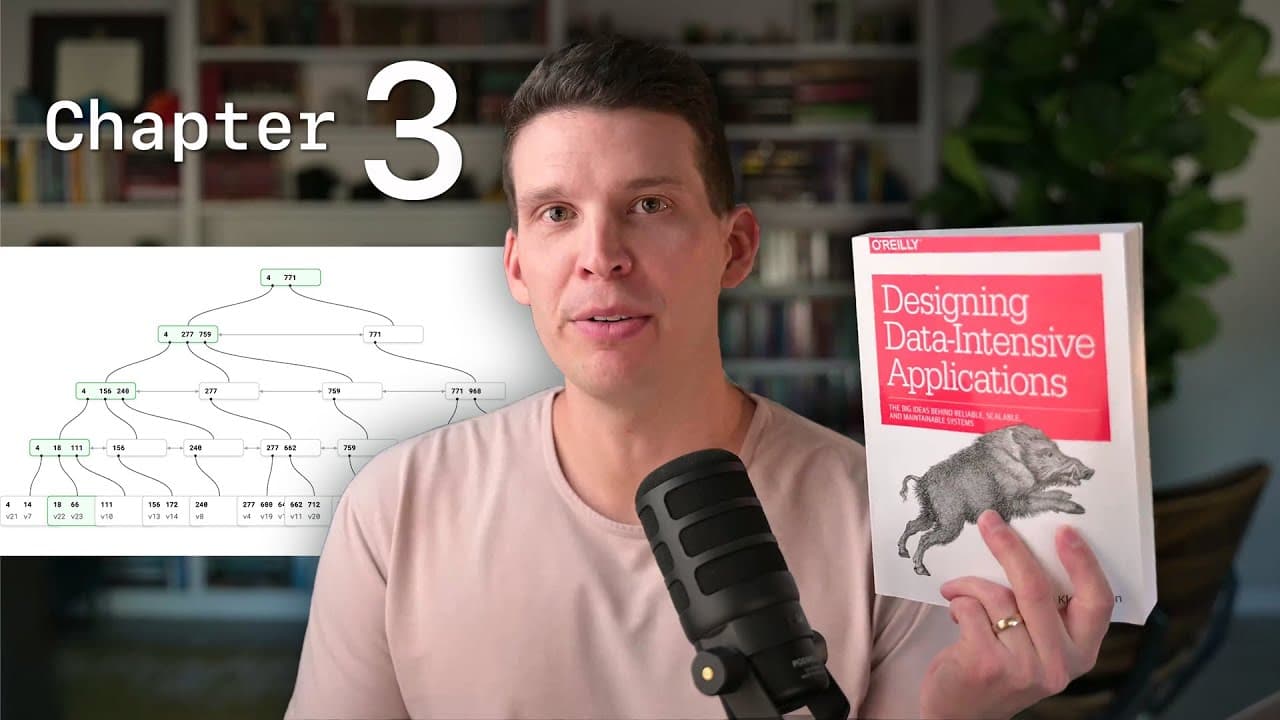
Designing Data-Intensive Applications: Chapter 3
Livestream walkthrough of DDIA Chapter 3 — visual explanations of row vs column storage, B-trees vs LSM trees, and why OLTP and OLAP databases are engineered differently.
Tony Duong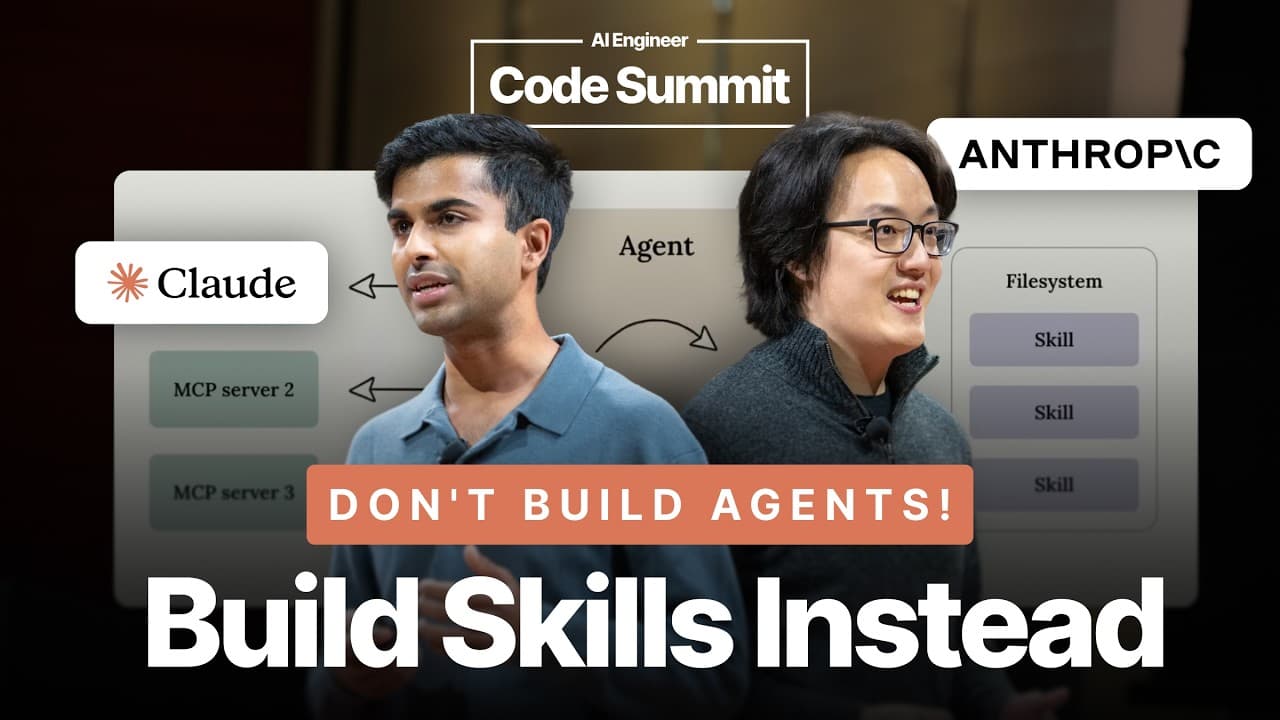
Don't Build Agents, Build Skills Instead
Notes on Anthropic's talk about agent skills — organized folders that package composable procedural knowledge, complementing MCP servers in the emerging general agent architecture.
Tony Duong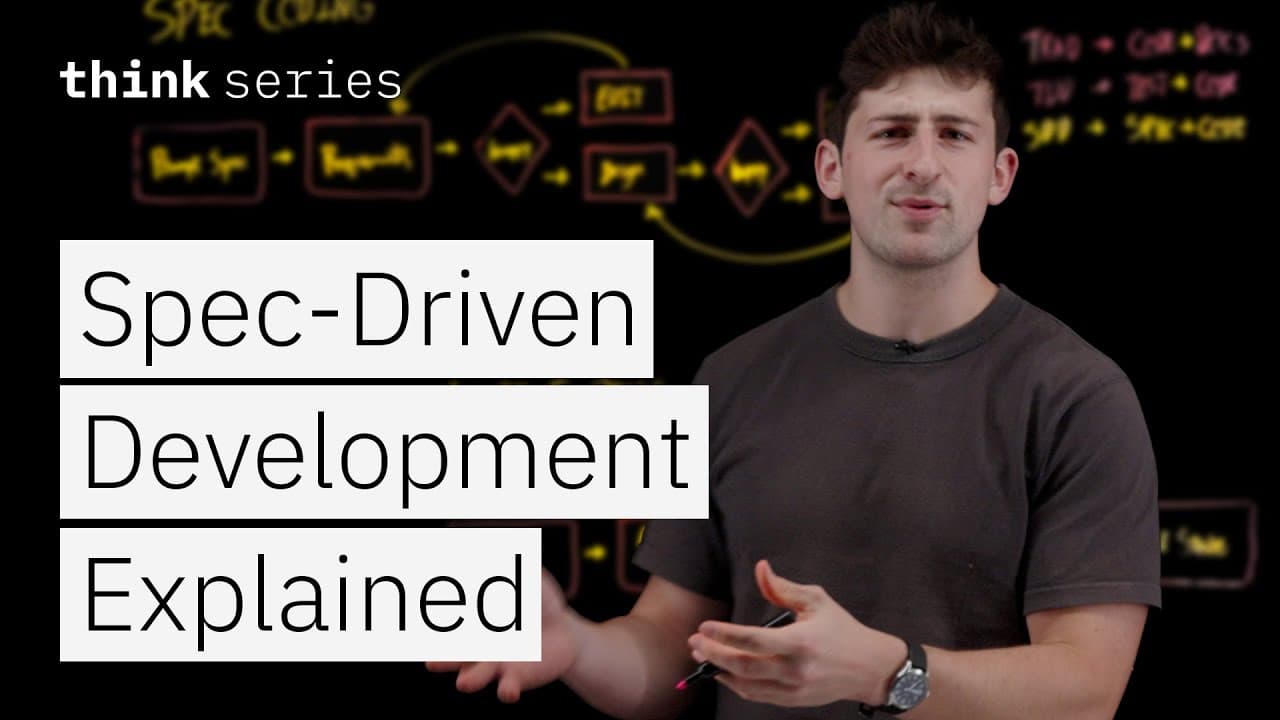
Spec-Driven Development: AI Assisted Coding Explained
Notes on spec-driven development — how writing specs before code reduces ambiguity and improves AI-assisted coding compared to vibe coding.
Tony Duong
Day 2
Set up Keystatic CMS, fixed i18n redirects, picked up Rails and Claude Code tips, and read DDIA Chapter 2.
Tony Duong
DDIA Chapter 2: Data Models and Query Languages
Notes on Chapter 2 of Designing Data-Intensive Applications — relational vs document models, query languages, and graph databases.
Tony Duong
How a Meta Staff Engineer Uses Claude Code: 50 Tips for Agentic Development
John Kim's comprehensive guide to moving from manual coding to agentic orchestration with Claude Code — covering setup, power commands, and advanced workflows.
Tony DuongDay 1
Reading DDIA, slashing Honeybadger alerts, Claude Code Actions, AI Spec-Driven Development, and progress on Shirimono.
Tony Duong